
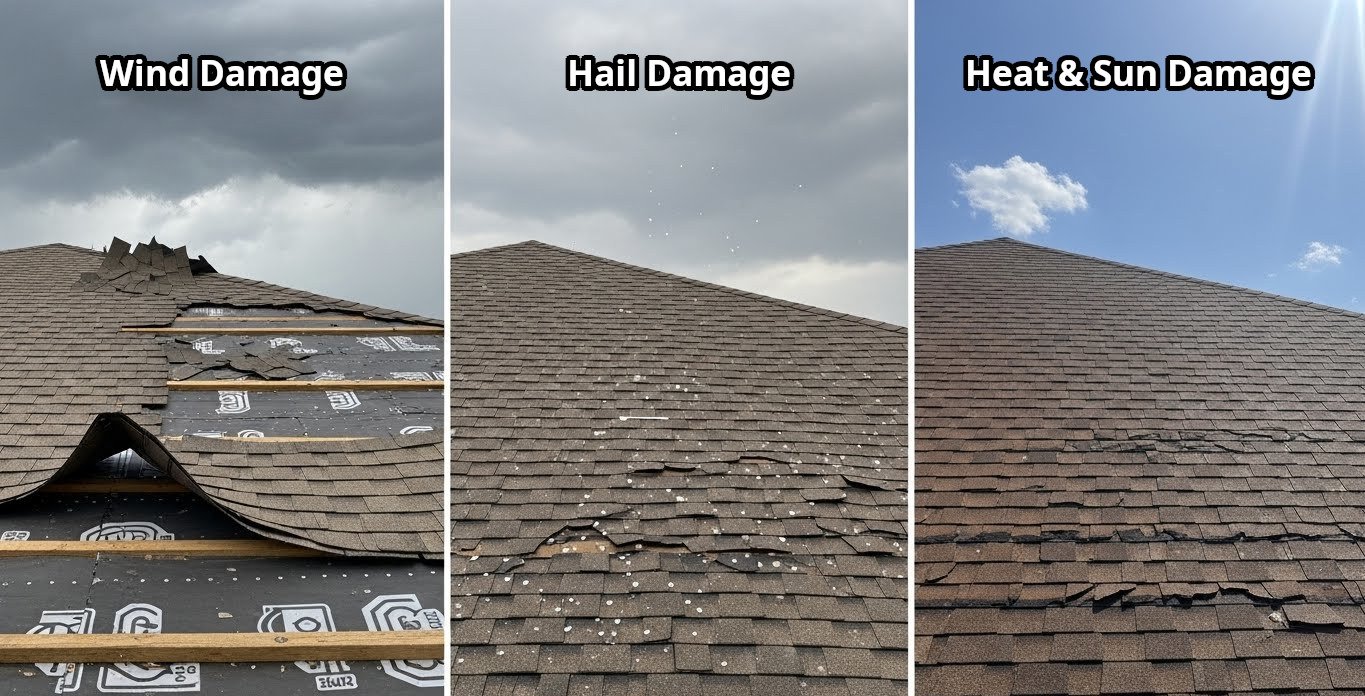
Texas is known for extreme climate conditions, and every homeowner experiences how weather in Texas affects every type of roof. From intense summer heat to sudden storms and strong winds, roofs in Texas face constant pressure. Understanding these effects helps homeowners protect their property and choose the right roofing materials.
Why Texas Climate Is Hard on Roofing Systems
The climate of Texas changes quickly. One day can be extremely hot and the next day can bring heavy rain. These rapid changes explain why weather in Texas affects every type of roof more than in many other states. Roofing materials expand and contract because of temperature shifts, which slowly weakens the structure.
Impact of Summer Heat on Roofs

Texas summers are long and extremely hot. High temperatures cause shingles, metal panels, and tiles to expand. Over time this leads to cracks and gaps. This is a major reason how weather in Texas affects every type of roof regardless of material quality.
Sun Exposure and UV Damage
Direct sunlight damages the outer layer of roofs. Ultraviolet rays reduce the strength of shingles and fade protective coatings. Many homeowners notice that their roof looks older than its real age because weather in Texas affects every type of roof through constant sun exposure.
Heat and Attic Problems
Excess heat enters the attic and increases indoor temperature. Poor ventilation makes the problem worse. When people understand how weather in Texas affects every type of roof, they start focusing on proper insulation and airflow.
Storms and Heavy Rain Effects
Texas frequently experiences thunderstorms and heavy rainfall. Water is one of the biggest enemies of roofing systems. Even small leaks grow larger with time. This clearly shows how weather in Texas affects every type of roof, especially older roofs.
Water Seepage and Mold
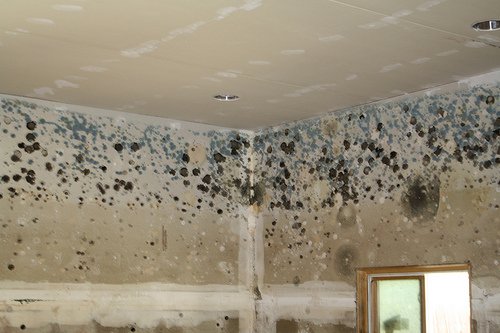
Moisture enters through tiny openings around vents and chimneys. This moisture creates mold and weakens wooden structures. Because weather in Texas affects every type of roof, regular inspection after rain is very important.
Flashing and Gutter Damage
Storm water can damage flashing and gutters. When gutters are blocked, water stays on the roof longer. This is another example of how weather in Texas affects every type of roof and shortens its lifespan.
Wind and Hail Challenges
Strong winds are common in many Texas cities. Hailstorms also appear suddenly and hit roofs with force. These conditions prove again that weather in Texas affects every type of roof, even newly installed ones.
Shingle Lifting From Wind
High winds lift shingles and create open spaces. Once shingles are loose, water enters easily. Homeowners often realize after storms how seriously weather in Texas affects every type of roof.
Hail Impact on Roofing Materials
Hail leaves dents on metal roofs and cracks on shingles. Repeated hail seasons make roofs weak. This is one of the most visible ways weather in Texas affects every type of roof across the state.
Humidity and Moisture Problems
Coastal and southern parts of Texas have high humidity. Moist air slowly damages roofing components. This hidden effect explains further how weather in Texas affects every type of roof even without storms.
Different Roof Types and Texas Weather
Not all roofs react the same way, but weather in Texas affects every type of roof in some form.
Asphalt Shingle Roofs
Asphalt shingles are popular but heat makes them brittle. Color fading and curling edges are common signs that weather in Texas affects every type of roof made from shingles.
Metal Roofs
Metal roofs handle heat better, yet they expand and contract more than other materials. Screws and fasteners become loose because weather in Texas affects every type of roof including metal systems.
Tile and Flat Roofs
Tile roofs resist sun but can crack during hail. Flat roofs suffer from standing water after heavy rain. These examples again show how weather in Texas affects every type of roof design.
How to Protect Your Roof in Texas
Knowing that weather in Texas affects every type of roof, homeowners should take preventive steps.
Regular Inspections
Checking the roof twice a year helps find early damage. After every major storm an inspection is necessary because weather in Texas affects every type of roof suddenly.
Proper Ventilation
Good attic ventilation reduces heat pressure. This simple step minimizes the way weather in Texas affects every type of roof from inside.
Quality Materials
Choosing materials designed for hot climates is important. Experts recommend impact-resistant shingles because weather in Texas affects every type of roof differently.
Maintenance Tips for Long Roof Life
Cleaning gutters, trimming nearby trees, and fixing small leaks immediately can reduce damage. Since weather in Texas affects every type of roof, maintenance should never be ignored.
When to Consider Roof Replacement
If repairs become frequent, replacement may be better. Many roofs fail early only because owners underestimate how weather in Texas affects every type of roof year after year.
Final Thoughts
Every homeowner in the state should understand that weather in Texas affects every type of roof continuously. Heat, rain, wind, and humidity work together to weaken roofing systems. With proper care and smart material choices, the negative impact can be reduced and roofs can last much longer.